15 Things Chinese Parents Say All the Time (And What They Really Mean)
Focus keyword: things Chinese parents say
Table of Contents
- Have You Eaten?
- Wear More Clothes, It’s Cold
- Eat More
- Study Hard
- Look at Someone Else’s Child
- Don’t Waste Money
- It’s for Your Own Good
- When I Was Your Age…
- Don’t Stay Up So Late
- Bring an Umbrella
- Don’t Catch a Cold
- When Are You Getting Married?
- Be Careful
- When Are You Coming Home?
- I’m Not Saying This Because I Don’t Love You
If you grew up with Chinese parents, you probably know the routine, these are the things Chinese parents say so often they become background noise, until one day you realize what they actually mean.
You call your mom just to say hello.
She asks: “Have you eaten?” You say yes.
She asks: “What did you eat?” You tell her.
Then comes the follow-up: “Was it enough?”
Welcome to Chinese parenting.
Chinese parents have a special talent for turning ordinary sentences into complete expressions of love, concern, pressure, and—occasionally—guilt.
They might not always say “I love you.” Instead, they might tell you to wear a jacket. Eat more. Study harder. Stop spending money. Get home earlier. Or ask why someone else’s child is doing so much better than you.
If you grew up in a Chinese family, you may have heard all of these things Chinese parents say before. If you didn’t, here’s your unofficial Chinese Parents Starter Pack.
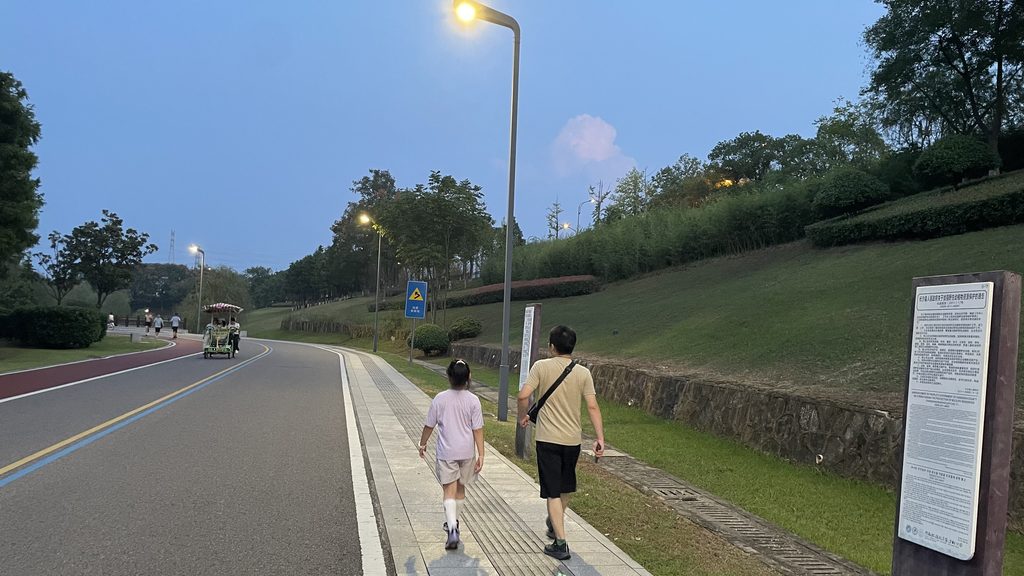
1. “Have You Eaten?”
你吃饭了吗? (Nǐ chīfàn le ma?)
If you’ve never heard this from a Chinese parent, congratulations. You have unlocked a completely different family experience.
“Have you eaten?” can be a greeting. It can be a check-in. It can mean “How are you?” It can mean “I miss you.” And sometimes it literally means: “I made too much food. Come home.”
Food is one of the most common ways affection is expressed in many Chinese families. So when your mom asks whether you’ve eaten for the third time that day, she probably isn’t conducting a nutritional survey. She’s checking on you. What they mean: “I care about you.“
2. “Wear More Clothes. It’s Cold.”
多穿点衣服,外面冷。
You are 28. You have a job. You pay your own rent. You can check the weather forecast. It doesn’t matter. Your mother still believes you are approximately eight years old and one cold breeze away from disaster.
“Wear more clothes.” “Take an umbrella.” “Don’t sleep with wet hair.” “Don’t drink something so cold.” These aren’t random instructions. They’re Chinese-parent love language. What they mean: “Please don’t get sick.“
3. “Eat More.”
多吃一点。
You are full. Your mom doesn’t believe you.
You say: “I’m really full.” She says: “Just eat a little more.” Then another dumpling appears in your bowl. This is not a negotiation. It is a cultural tradition. In many Chinese families, feeding someone is one of the simplest ways to show care.
You don’t necessarily say: “I love you.” You say: “Here. Have another piece of chicken.” Same message. Different delivery system. What they mean: “I want you to be well-fed.“
4. “Study Hard.”
好好学习。
Two words. Infinite pressure.
“Study hard” can mean: Get good grades. Get into a good university. Build a career. Have more opportunities. Don’t struggle as much as we did. Make us proud.
For many Chinese families, education isn’t just about school. It’s connected to opportunity, stability, and the hope that the next generation will have a better life.
So when a Chinese parent says: “Study hard.” What you hear might be: “Do your homework.” What they mean: “I want your future to be secure.“
5. “Look at Someone Else’s Child.”
你看看人家。
Every Chinese family has one. The perfect child. The child who gets better grades. The child who plays piano. The child who exercises. The child who got into a top university. The child who already has a great job. The child who apparently never argues with their parents.
This mysterious person is known as: 别人家的孩子 — “someone else’s child.”
And somehow, they are always doing better than you. To Western ears, this can sound brutally competitive. Parents may see it differently—as motivation or encouragement to do better. Whether it actually motivates you is another question. What they mean: “I know you can do better.“
6. “Don’t Waste Money.”
别乱花钱。
You bought a $15 coffee. Your mother has questions. You bought a $100 pair of shoes. She has more questions. You bought a new phone even though your old one still works? Prepare your defense.
For many Chinese parents, saving money isn’t simply about being cheap. It’s about being prepared. Many parents grew up when money and material goods were much harder to come by. That experience can shape how they think about spending, saving, and financial security.
So when your mom says: “Why did you buy this?” She may actually be saying: “I want you to be financially secure.” She just has an interesting way of expressing it.
7. “It’s for Your Own Good.”
都是为了你好。
This might be the most powerful sentence in the Chinese-parent dictionary.
Why do you have to study so much? It’s for your own good. Why can’t you stay out late? It’s for your own good. Why should you choose a more practical career? It’s for your own good. Why are we still having this conversation when you’re 30? You guessed it. It’s for your own good.
This phrase captures one of the biggest tensions that can appear between generations. Parents may see advice, protection, and involvement as expressions of love. Their children may experience the same behavior as pressure or a lack of independence. And sometimes, both perspectives can exist at the same time.
8. “When I Was Your Age…”
我像你这么大的时候……
Oh no. Here comes the story.
“When I was your age…”
“We didn’t have smartphones.”
“We didn’t have all these conveniences.”
“We had to work much harder.”
“We didn’t have the opportunities you have.”
And somehow, by the end of the story, you feel both grateful and slightly guilty. But these stories aren’t always just about comparison.
For many Chinese parents, their childhoods took place in a very different economic and social environment from the one their children grew up in. Telling those stories can be a way of explaining where they came from, and why they worry so much about the future. What they mean: “You don’t realize how lucky you are.“
9. “Don’t Stay Up So Late.”
别熬夜。
It’s 11 p.m. You’re an adult. You’re watching Netflix. Your phone rings. “Why are you still awake?”
You say: “I’m going to bed soon.” Your parent: “You always say that.”
Chinese parents seem to have a complicated relationship with sleep. Too little sleep? Bad. Too much sleep? Also suspicious. Staying up late is often treated as a sign that you’re not taking care of yourself properly.
And if you happen to mention that you stayed up until 2 a.m.? Prepare for a lecture. What they mean: “Take care of yourself.“
10. “Bring an Umbrella.”
带伞。
The weather forecast says 10% chance of rain. Your mother says: “Bring an umbrella.” The sky is completely blue. “Bring an umbrella.” You are going outside for ten minutes. “Bring an umbrella.”
You ask why. The answer is usually some variation of: “Just bring it.” And then, of course, it rains. At this point, you begin to suspect your mother has access to a weather system the rest of us don’t know about.
What they mean: “Be prepared.“
11. “Don’t Catch a Cold.”
别着凉。
This one is particularly interesting because some Chinese parents may connect everyday choices with getting sick.
Cold drinks? Your parent may have an opinion. Going outside with wet hair? Bad idea. Not wearing enough layers? Absolutely unacceptable. Sleeping with the fan on? Your parent has concerns.
These beliefs aren’t universal—they vary by family and region—but they trace back to a broader traditional idea: protecting the body and preventing illness before it starts, rather than waiting until you’re sick to worry about your health. What they mean: “I don’t want you to get sick.“
12. “When Are You Getting Married?”
什么时候结婚?
You survived school. You got a job. You moved out. You became financially independent.
Congratulations. Now comes the next question: “When are you getting married?” And after you get married: “When are you having children?” And after you have one child: “When are you having another?” There is no final boss. The questions simply evolve.
Of course, attitudes toward marriage and family are changing, especially among younger generations. But for many parents, marriage and children remain closely connected to their idea of a stable adult life. What they mean: “What does your future look like?“
13. “Be Careful.”
小心一点。
You’re driving? “Be careful.”
You’re traveling? “Be careful.”
You’re going out with friends? “Be careful.”
You’re walking to the convenience store? You guessed it. “Be careful.”
Chinese parents can sometimes turn a completely ordinary activity into a potential safety briefing. But underneath the warning is usually something simple: They want you to come home safely. What they mean: “I worry about you.“
14. “When Are You Coming Home?”
什么时候回来?
You moved out years ago. You have your own apartment. You have your own life. And yet, at some point during a phone call, your parent will ask: “When are you coming home?”
Not: “How is your career going?” Not: “What are your five-year plans?” Just: “When are you coming home?”
For many Chinese families, home remains an important emotional center even after children become adults. Coming home for dinner, a holiday, or a family gathering can be more meaningful than simply spending time together. Sometimes the question isn’t really about your schedule. It’s about wanting you nearby.
What they mean: “We miss you.“
15. “I’m Not Saying This Because I Don’t Love You.”
Actually, they probably won’t say this sentence. That’s the point. Chinese parents often don’t express affection in the most direct way.
Instead, love can sound like: “Have you eaten?” “Wear a jacket.” “Study harder.” “Don’t spend so much money.” “Don’t stay up so late.” “Be careful.” “When are you coming home?” And, of course: “Look at someone else’s child.”
Sometimes these words are funny. Sometimes they’re annoying. Sometimes they can feel like pressure. And sometimes, years later, you realize that you actually miss hearing them. Because underneath all those reminders, questions, comparisons, and unsolicited advice is often one simple message: “I’m thinking about you.“
Chinese parents may not always say: “I love you.” They may put fruit on your desk. Pack leftovers for you. Tell you to take an umbrella. Ask whether you’ve eaten. And send you a message when the temperature drops: “Wear more clothes.” “Have you eaten?” Sometimes means: “I love you.“
Maybe that’s what makes these phrases worth remembering. They’re ordinary words, but they often carry memories of home.
How do your parents usually express their love? Feel free to leave a comment and let me know—I’d love to hear about the different ways they show it. Thanks!
A little note from SmilelineCo:
Printables, graphics, and design elements on this site are created by Smile of SmilelineCo and are for personal use only. Please don’t alter them, resell them, or redistribute them, for free or for profit, without written permission from me. If you’d like to share something with a friend, family member, or your community, please share the link to this blog post or to the shop page instead of the files themselves. Thank you for supporting my shop. Wishing you a wonderful life. ❤️