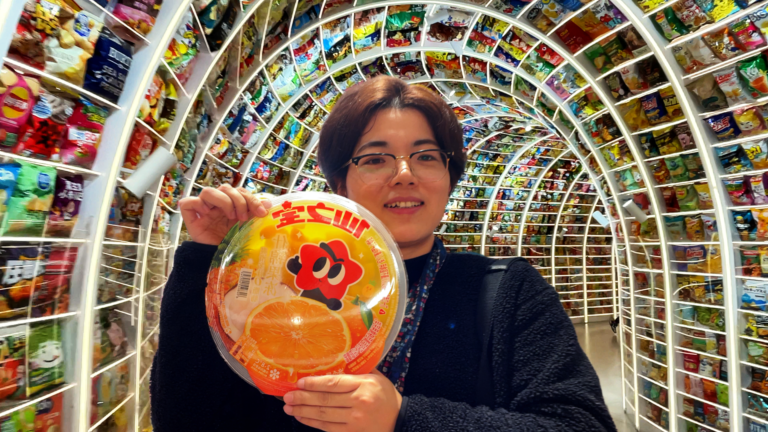
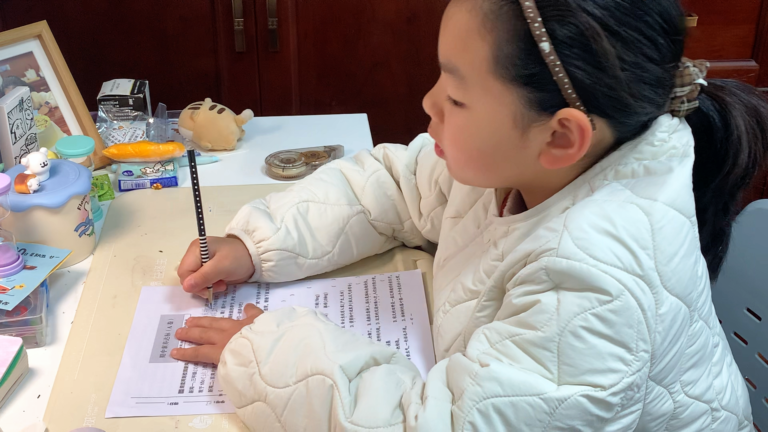
A Typical Weekend in China: Family, Food & a Hike Up Mount Yuelu
This is what a typical weekend in China looks like for us: no luxury trip, no grand plan, just a lot of food, a lot of family and one very long staircase. (“Typical” is a big word for a country this size, so near the end I’ll explain what I mean by it.)
This weekend was my daughter’s birthday. The three of us had already celebrated her lunar birthday on our own, so this time the rest of the family came over for a casual get-together and a big meal. That meant a busy Friday of errands, a Saturday with a birthday and a mountain, and one thread running through all of it: the people who show up for us.
Here is how our typical weekend in China went, with the Chinese words and cultural notes I couldn’t fit into the video.
Table of Contents
Friday: A Chinese Snack Store and a Very Full Basket
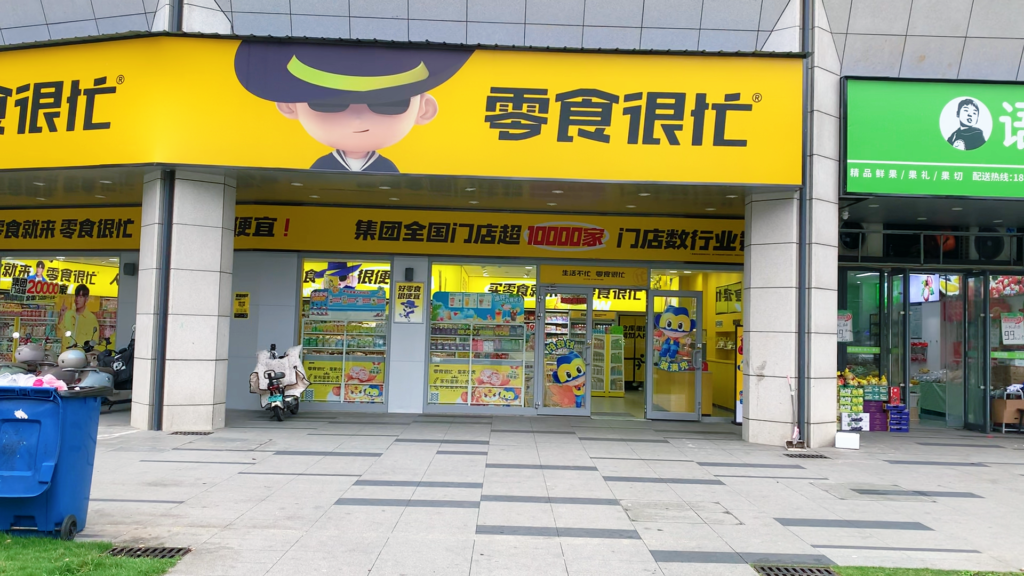
Every big family day starts, for me, with a shopping list, and this one started at Snack Busy (Ling Shi Hen Mang, 零食很忙). It is a Chinese snack store chain that began in Changsha, Hunan, in 2017, and it now has more than 30,000 contracted stores across more than 30 provinces.
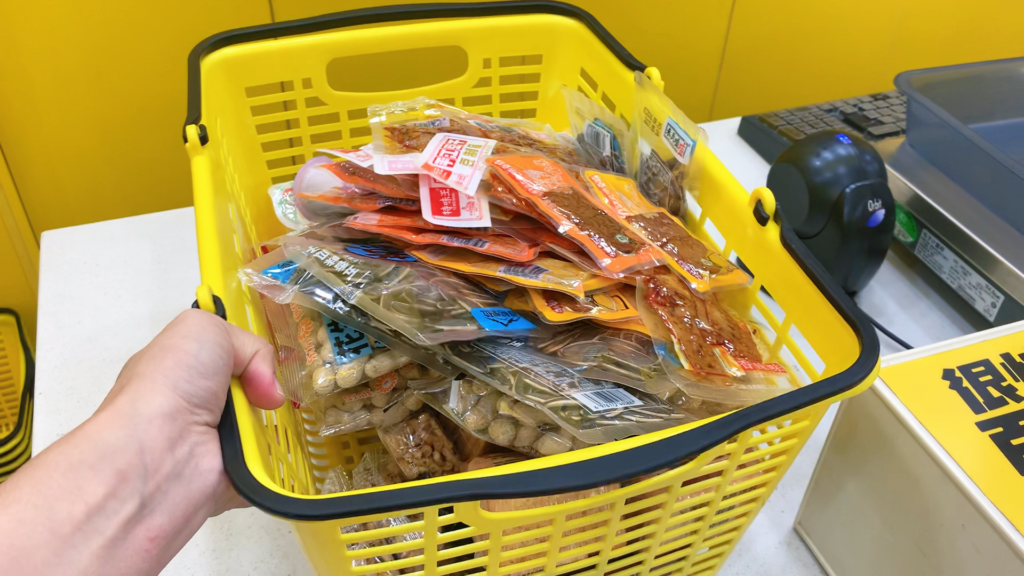
The way it works is simple: grab a basket at the door and fill it up. The shelves run from the floor to the ceiling, packed with spicy Hunan-style snacks, candy, nuts, dried fruit and drinks, at prices well below a typical supermarket. Honestly, the place is a little dangerous. You go in for “just a little something” and walk out with a massive haul. Snacks are part of almost every typical weekend in China for us, and this weekend was no exception.
Loose peanuts and melon seeds weighed by the jin at a Chinese snack store
Culture note: many snacks here are sold loose and weighed at the counter, by the jin (斤), which is 500 grams. You take exactly as much as you want.
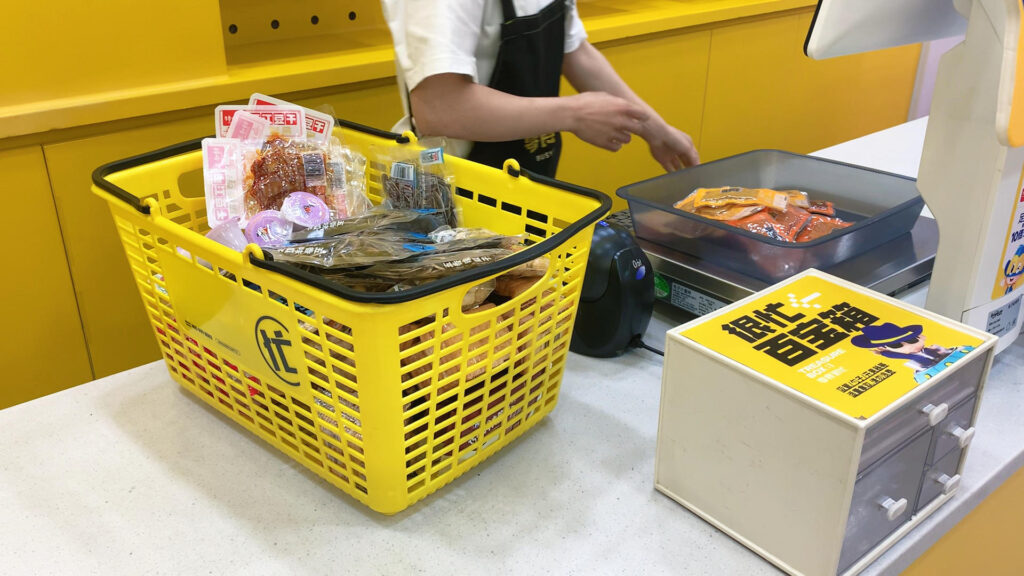
My basket turned into a map of my family:
- Dad: melon seeds (瓜子, guāzǐ) and peanuts, and I took extra of both
- Mom and my daughter: jelly, a little of each
- All of us: mala (麻辣, málà) snacks, the numbing-spicy flavor. We are Hunan people who say “no spice, no joy” (无辣不欢, wú là bù huān), so these were not optional
The small individually wrapped snacks are nicely made and taste good. We eat them ourselves, give them as gifts, and carry them on trips.
Fun fact: also in Changsha, the same parent company opened Snack Kingdom (零食王国) in April 2026. It covers more than 12,000 square meters, holds about 35,000 products from around 70 countries and regions, and has a Guinness World Record as the world’s largest snack store. Someone calculated that trying one new item a day would take about 96 years. I’ll take you there another time.
With checkout done, the snacks were ready. Tomorrow was my daughter’s birthday, and my parents were coming over that day to help me prepare the next day’s meal. Before the lively part of any celebration, there is always a quiet, busy stretch of preparation.
Friday: A 16.8 Yuan Bowl of Noodles and the Group-Buy Trick
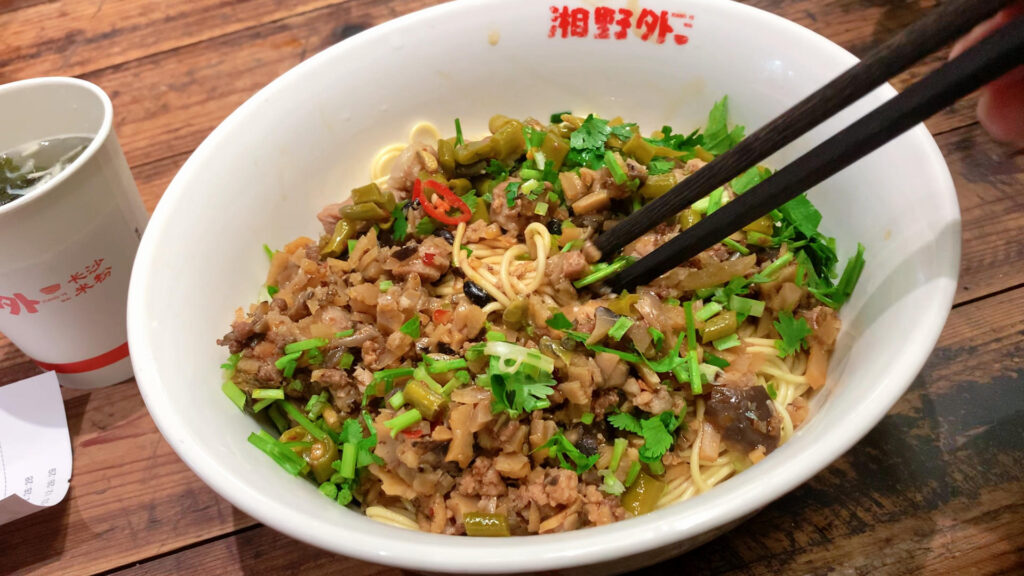
Next stop was lunch, before I took on the supermarket. A typical weekend in China for us almost always includes eating out somewhere, and on the ground floor of most Chinese malls the shops are mostly restaurants, so there is plenty to choose from. I picked a noodle shop I’d eaten at before.
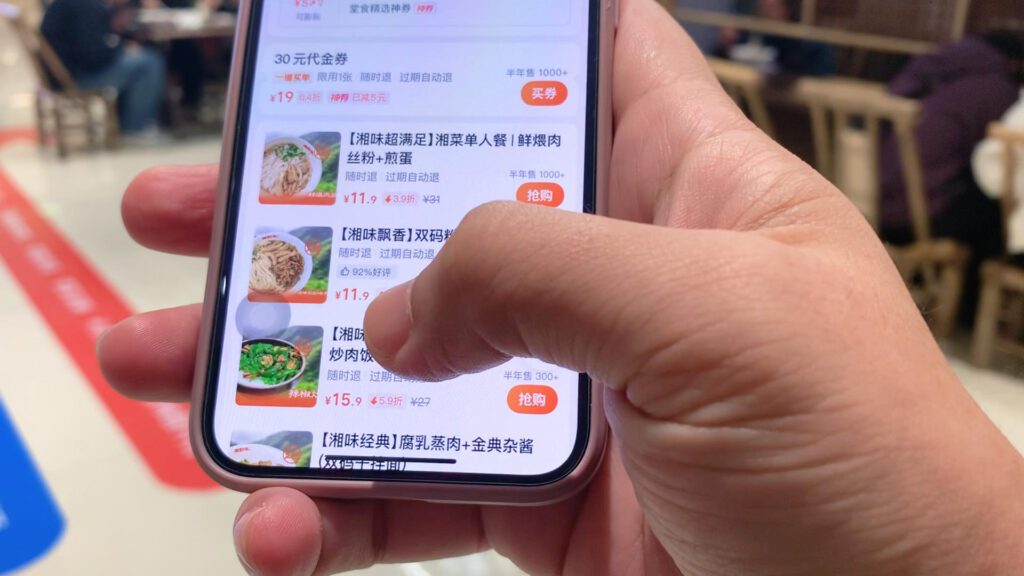
Here is a very Chinese detail. Even when you are already sitting inside the restaurant, you can take out your phone and order through an online group-buying (团购, tuángòu) platform, usually in apps like Meituan or Douyin. It is cheaper than ordering at the counter. I ordered the signature noodles for 16.8 yuan. If you want to see how big the difference can get, I wrote about it in our $8.16 family dinner in China.
The bowl was generous: plenty of toppings and plenty of noodles, enough to fill one person completely. I also love their semi-self-service soup station, where you can add real dried baby shrimp to your broth. I’m on a diet, and I still couldn’t say no to a bowl.
Then I looked up and saw the light box on the wall: “The Taste of Life.”
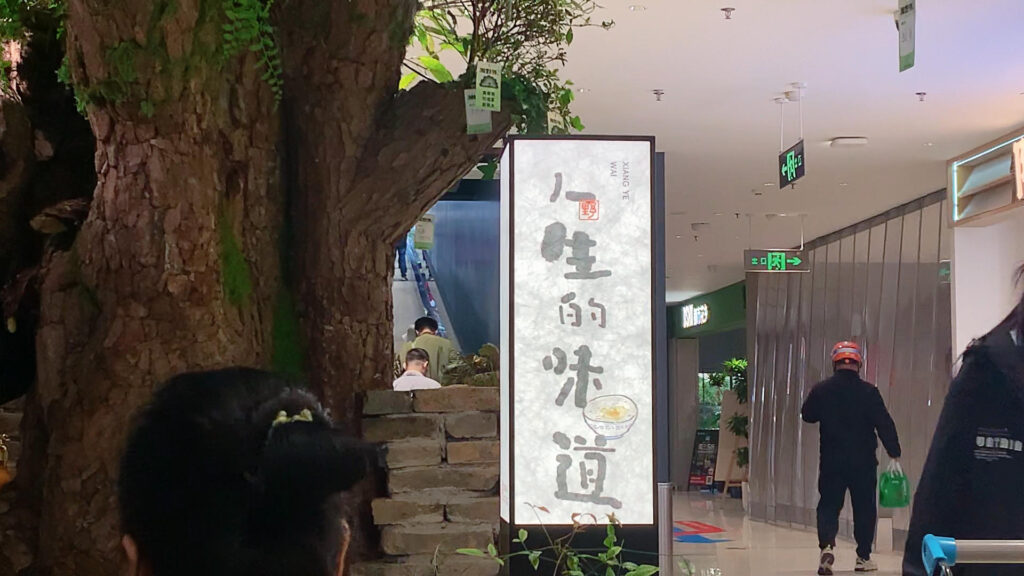
Those words felt written for me. In Chinese we say life has five flavors, sour, sweet, bitter, spicy and salty (酸甜苦辣咸, suān tián kǔ là xián). At this stage of life I have tasted a little of each: the salty of being so busy I forget to look after myself, the sweet of holding a family together and protecting a child, the bitter of working hard without seeing the result, the spicy of days that rush by, and the sour of feelings I can’t quite put into words.
But every bite of a bowl of noodles tastes a bit different, and so does life. It is never one flavor. That bowl was the most grounded, satisfying moment of this typical weekend in China.
Friday: Grocery Shopping in China for 13 People in One Hour
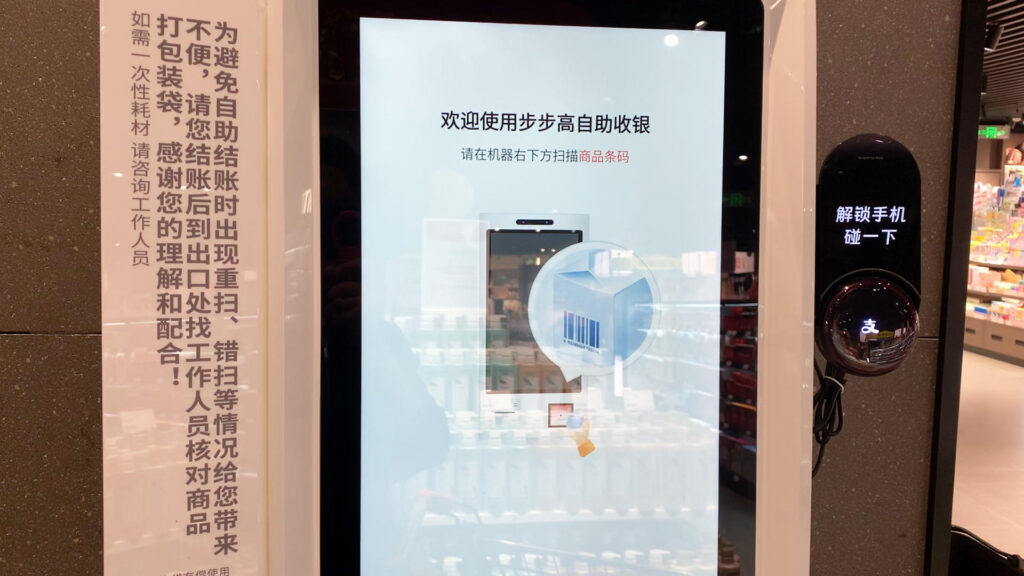
Then it was time for the real mission. I headed to Bubugao (步步高, Bùbùgāo). Several of its Changsha stores have been renovated with the help of Pang Dong Lai (胖东来, Pàngdōnglái), a process people call a “Pang-style makeover” (胖改, pàng gǎi), and the branch I visited is one of them.
If you haven’t heard of Pang Dong Lai: it is a local supermarket chain from Henan Province that became a national retail benchmark because of its outstanding customer service and employee benefits. People travel across China just to visit, so a regional supermarket has turned into a tourist attraction. In recent years, many other chains have asked it for help restructuring their stores, and Bubugao is one of them. The shopping experience in these renovated stores has improved dramatically, and I really enjoy this Pang Dong Lai supermarket style of service now.

I had brought a list: three meals a day for 13 people, including breakfast, drinks and side dishes, all in one hour. My parents were already on their way, and I wanted to pick them up at the station on the way home.
That is the real reason I was in a hurry, so let me tell you about them. My daughter was raised mostly by my mother until she was six, so the two of them are incredibly close. In Chinese, maternal grandparents have their own words, wàipó (外婆) and wàigōng (外公), and my daughter looks forward to them coming every birthday. They never miss it. They are always looking for ways to lighten my load. Dad usually brings nutritious ingredients from home and prepares them, and whenever Mom is here she takes charge of the kitchen: fast, a wonderful cook, and always full of new ideas for a big table that feeds both my family and my husband’s.
I’m deeply grateful to them. Even though I’m all grown up, they still treat me like a child, and now I’m learning to care for my own child the same way. I only hope I can become more capable, so that while they are still strong, I can truly repay them.
When I quit my job at 32, they never once complained. No matter how things have turned out since, they have stood by me. With that kind of support, how could I not give it everything? When you work alone, it may be easier to focus. Once you have a family, life sometimes isn’t yours to control. But my family has always been my solid back-up, and knowing they are there only makes me want to work harder.
In the middle of shopping, my husband texted me to buy kitchen paper. “OK, got it!” He remembers the small household things better than I do.
When I headed to checkout, I was impressed by the packing service. Staff separate wet and dry items, then layer everything in the bags by how firm it is: heavy things at the bottom, soft things on top, so tofu and leafy greens never get crushed. I didn’t have to worry about anything. I just stood there and waited. That packing service is one of my favorite parts of grocery shopping in China these days.
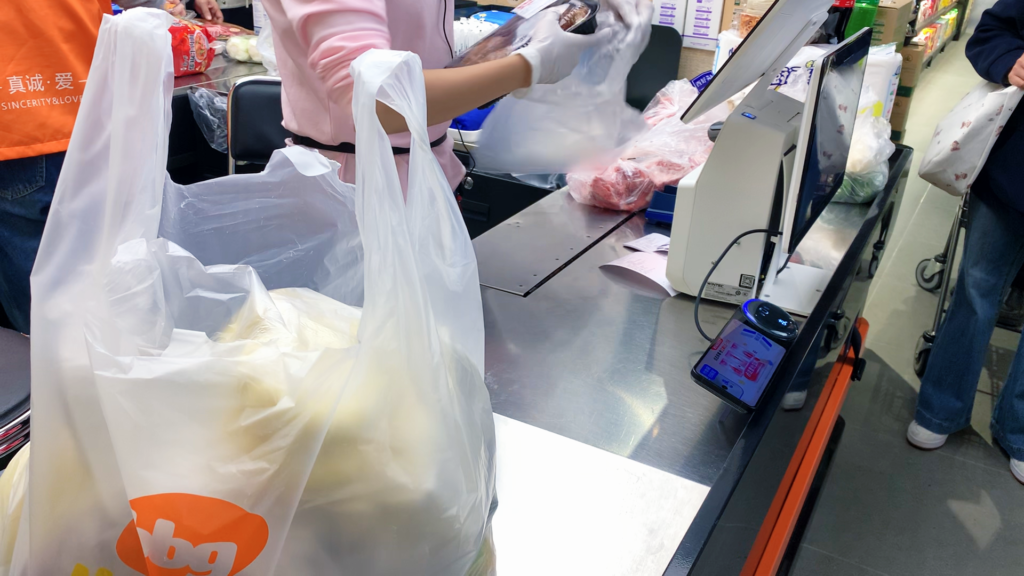
With a few minutes to spare before the station, I bought more roasted sunflower seeds and peanuts, my dad’s favorites. Cracking them while we talk is the sound of every family birthday at our house. If you’re curious about what everyday food costs, I also wrote about vegetables in China and our ordinary family dinner in China. These are the errands that fill the hours before a celebration, and they are a big part of a typical weekend in China.
Friday Evening: Mom Takes Over the Kitchen
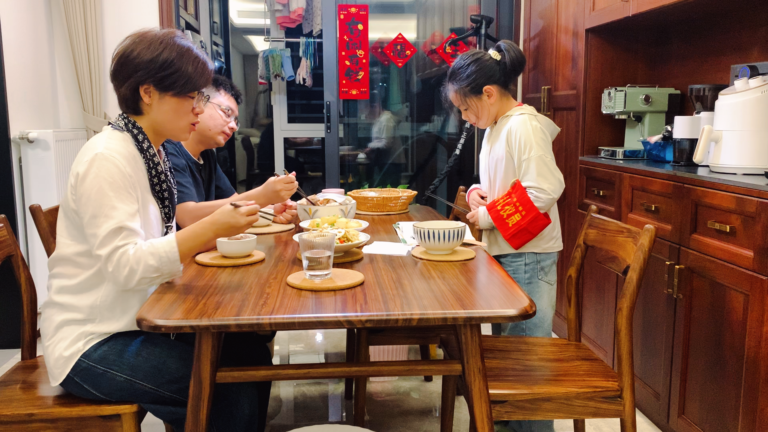
By the time I had picked up my parents and we got home, it was time to cook dinner. I wanted my mom to rest and let me cook for once, but she wouldn’t hear of it. She said I’d been busy all day and should go and do my own things. I couldn’t win, so I handed her the kitchen.
Soon the sound of a spatula hitting a pan filled the apartment. In Chinese we call this feeling yānhuǒqì (烟火气), the warmth of ordinary life, the “smoke and fire” of a home where someone is cooking. The moment that sound begins, a house feels like a home. For me, it is the sound of a typical weekend in China. (If you want to meet my parents a little better, read 15 things Chinese parents say all the time.)
While Mom cooked, I used the gap to put together a new filming stand for my printable planner pages.
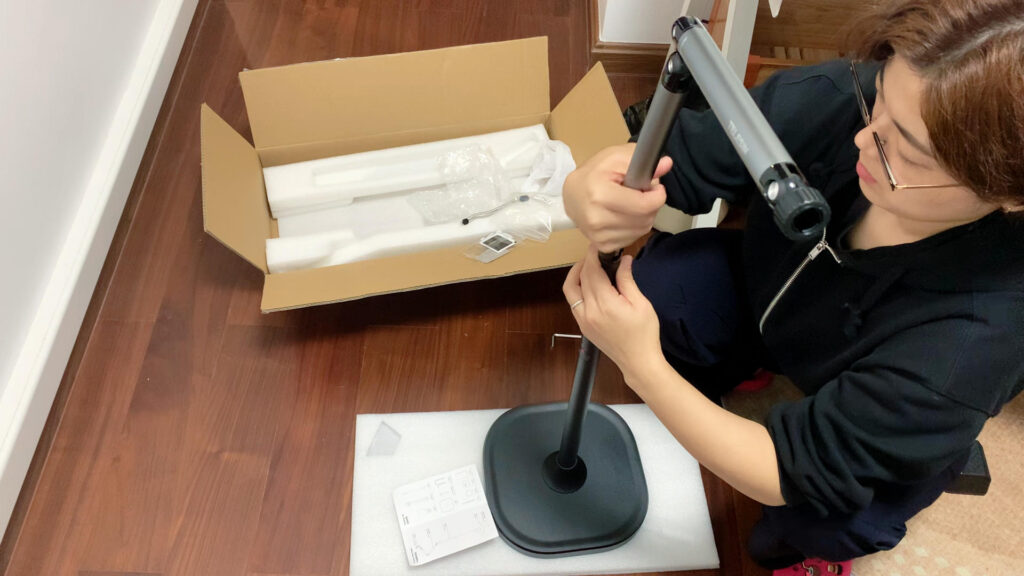
This is not an ad. I bought it with my own money, and I’ll report back honestly after I’ve used it for a while. It has a stable base and a magnetic, adjustable arm that should be good for overhead shots, which is exactly what I need for filming printable pages. Even someone not very handy like me put it together without trouble, and I felt a little proud when it was done. I also stuck a magnetic plate onto my phone case and tested how well it holds and how smoothly it rotates. It feels great!
The stand was up much faster than I’d expected, Mom’s dinner was ready, and a full day came to an end. I went to bed looking forward to the party.
Saturday Morning: Birthday, Then and Now
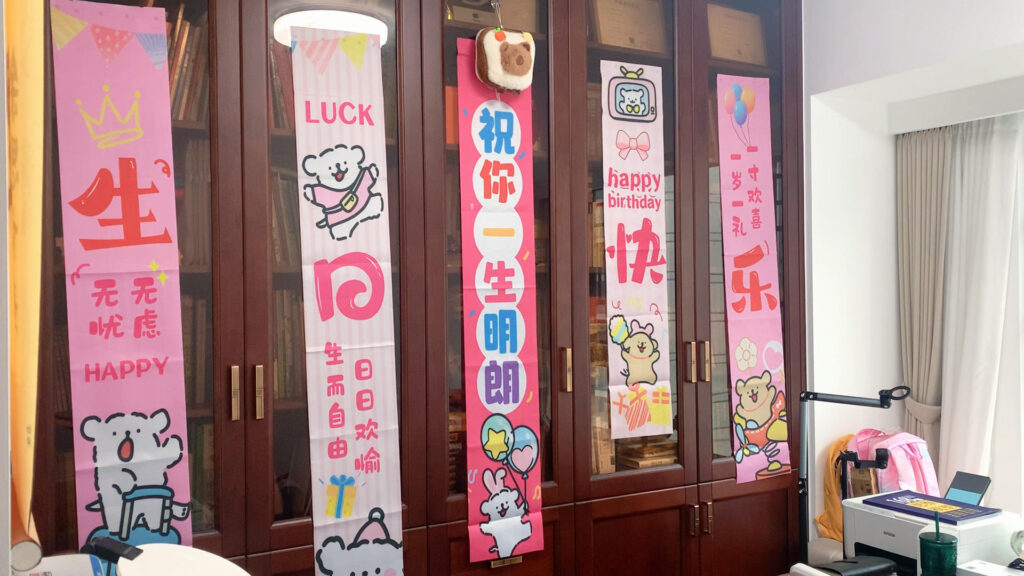
In our house, a birthday is what turns an ordinary family weekend in China into a celebration. My first job that morning was to decorate a small birthday corner. This year my daughter loves line-art puppies, so I bought puppy streamers and hung them before the guests arrived.
For a child, a birthday feels even bigger than the Lunar New Year (农历春节, nónglì chūnjié). It was very different when I was young. Money was tight, birthdays were quiet, and I didn’t eat a birthday cake until I was 18. What we waited for all year was the Lunar New Year. It was the only time relatives and friends gathered, when we got new clothes and sweets and the whole house was lively.
Today’s children live fuller lives every day, so they no longer wait for the New Year to get something special. What they wait for has shifted from the Lunar New Year to a day that belongs to them: their birthday. My generation looked forward to a once-a-year reunion and having something special. This generation looks forward to a day dedicated to celebrating them.
What hasn’t changed is that we are all waiting for the same thing: a day when the family gathers. For another family celebration, read about our Mid-Autumn Festival in China.
Saturday Afternoon: Our Mount Yuelu Hike With Three Generations
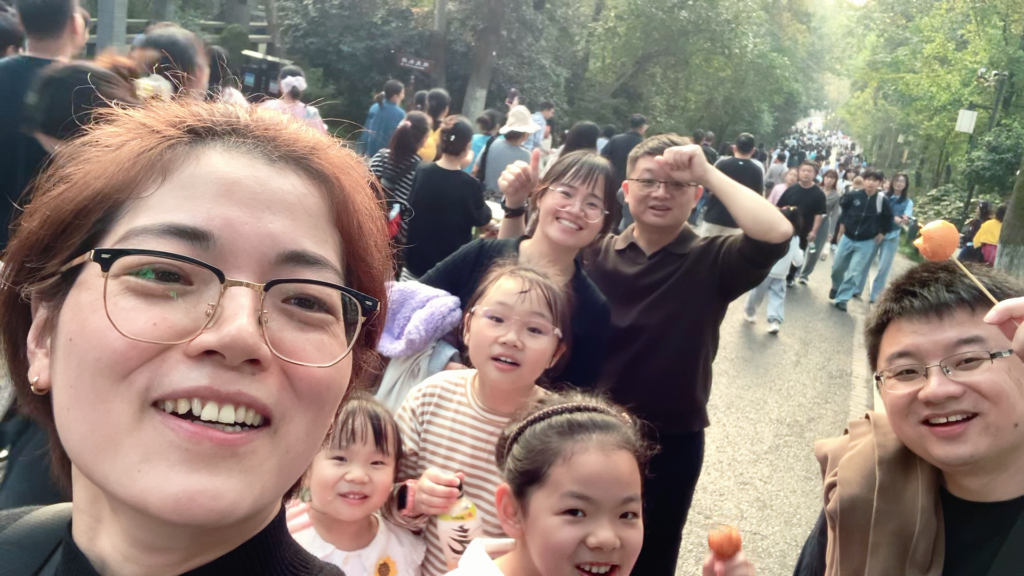
After lunch and a short rest, nine of us, young and old, set out for a Mount Yuelu hike. My mom stayed home to cook dinner, again. In every family, someone is quietly giving.
A quick note for friends abroad: Mount Yuelu (岳麓山, Yuèlù Shān) stands on the west side of Changsha, beside the Xiang River, and its highest peak is 300.8 meters. It is the last of the 72 peaks of Mount Heng, in the old saying “Huiyan Peak is the head, Yuelu is the foot” (回雁为首,岳麓为足). The mountain isn’t tall, but it carries weight:
- Yuelu Academy (岳麓书院) at the foot has more than a thousand years of history
- Lushan Temple (麓山寺) halfway up is more than 1,700 years old
- Yunlu Palace (云麓宫), a Taoist temple near the summit, means Confucian, Buddhist and Taoist traditions meet here
- Aiwan Pavilion (爱晚亭), one of China’s four famous pavilions, is a favorite spot to watch red maple leaves in late autumn
For people in Changsha, Mount Yuelu is the city’s “back garden”, and a Mount Yuelu hike is a very typical weekend in China for locals. For more background, see Mount Yuelu on Wikipedia.
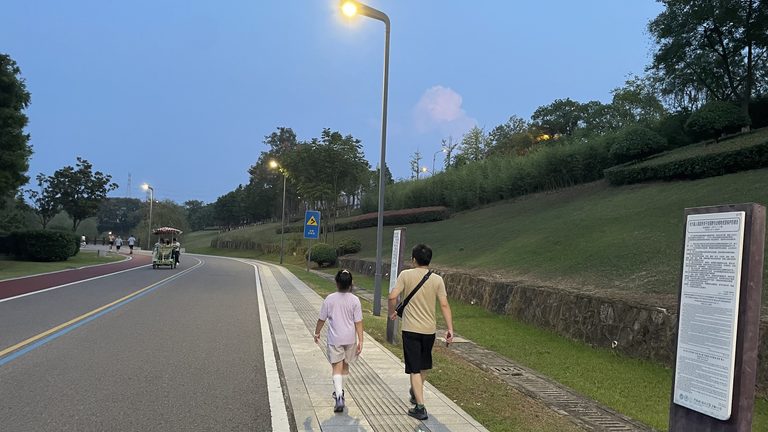
Because it was getting late, we chose the West Gate (西门) “express route”. It is stairs from start to finish: tiring, but much faster than the East Gate route. It was a weekend, so even this hard route was busy. Our three kids started at lightning speed. Kids really do have endless energy.

The children went so fast that we adults hurried after them, barely stopping. I stayed right behind my dad in case he fell back, and found that his stamina was better than I’d expected.
On a steep stretch, I really couldn’t keep up. My body, long out of exercise, was shown up by those steps. My breathing got heavy, my legs felt like lead, and a thought flashed: with so many people around, how did I become the one slowing everyone down?
Just then, my dad reached out and took my hand.
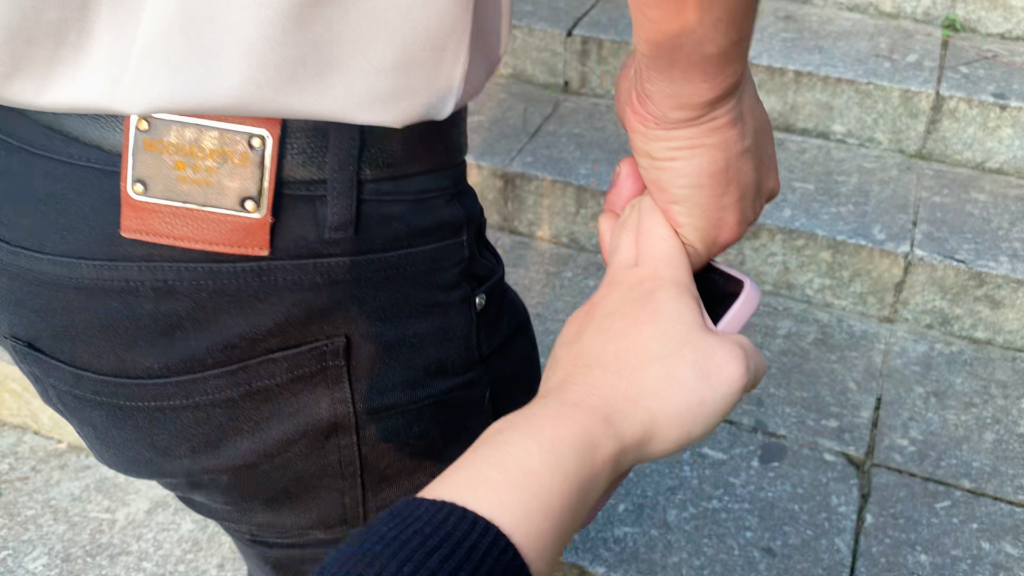
That was the moment of the whole Mount Yuelu hike for me. For a second, I froze. It was the same hand that held mine when we crossed the street when I was little. Before my breath had even settled, my heart had softened. No matter how old I get, in front of him I’m still a child who gets looked after. I had set out walking behind him to watch over him, and in the end I was the one being taken care of.
At the top of our Mount Yuelu hike it was even more crowded. People were laughing, and the mountain breeze was blowing. I felt that this moment was worth keeping.
Siblings sometimes quarrel, but most of the time we hold each other up. That day, everyone watched out for everyone else without saying a word: someone waited when another fell behind, someone gave a hand when another got tired. Watching them, I felt calm and warm. Maybe that is what family means: you don’t have to say anything, you just know who is behind you.
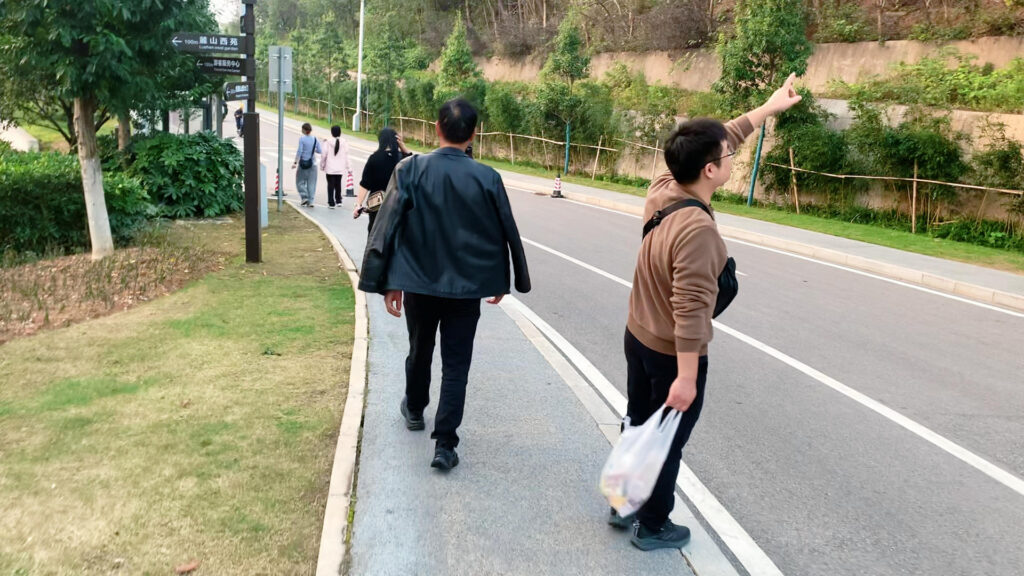
Our car was parked at the West Gate, so we came down the same way. On the way down, our youngest got tired and her steps slowed. Her dad didn’t say a word. He picked her up and carried her on his back. After a while, rested, she started wiggling and asking to walk on her own. The moment her feet touched the ground, she was like a wind-up toy, bouncing ahead of everyone, fully recharged. A child’s energy is like a power bank: empty one minute, full the next.
If you like family outings around the city, I also wrote about a family bike ride around Songya Lake and a family day out at a farm in Changsha.
Saturday Evening: Home to the End of a Typical Weekend in China
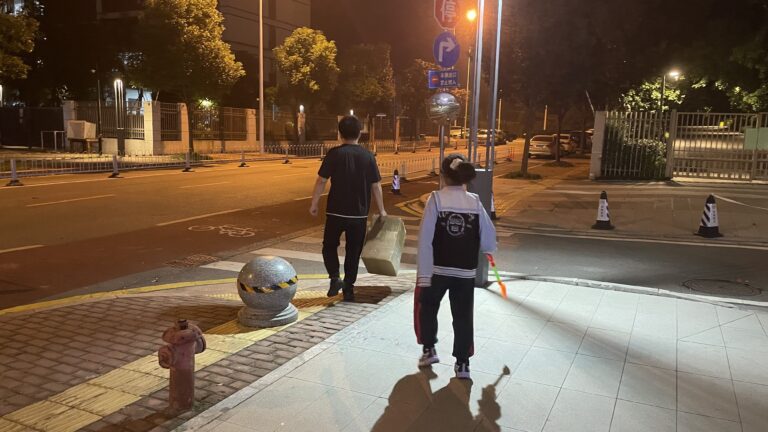
When we got back to the car, it was getting dark. I suddenly remembered someone who hadn’t hiked with us but had been busy for all of us the whole time: Mom. Tired and happy, I could almost imagine opening the front door to the smell of dinner, a big table already laid out, and everyone there. All the running around of the day found its landing place.
That is a family weekend in China, at least for us:
- Food is the center. Snacks, groceries and a big shared meal organize the whole weekend.
- Three generations hold each other up. Some run ahead, some give a hand from behind, and someone stays in the kitchen keeping a light on.
- Small things carry the meaning. A hand on a steep staircase, the sound of a spatula, a bowl of noodles.
Nothing special was planned, and that is exactly why it was a typical weekend in China for us. Thank you for spending this family weekend in China with us.
Is This Really a Typical Weekend in China?
I want to be honest: there is no single typical weekend in China. A weekend in Shanghai, in a farming village in Hunan and in a student dorm in Chengdu all look different, and families vary by income, age and routine. So when I say “typical”, I mean typical for our family in Changsha, a mid-sized city in central China, where three generations live close together and food is how we gather.
Some parts may feel familiar to many Chinese families: a big home-cooked meal made by grandparents, children who can’t wait for a family day, and a phone full of deals. Other parts are just ours: Snack Busy because it is a Hunan brand, Oh! No, it’s no longer limited to just Hunan anymore. And a hike up Mount Yuelu because it sits in the middle of our city.
If you want a very different weekend in the same province, read National Day in rural China: 6 days at my parents’ home in Hunan. Put the two side by side and you’ll see how much “a typical weekend in China” depends on where you are.
Chinese Words From This Weekend
These are the words you’d hear on a typical weekend in China like ours.
| Chinese | Pinyin | Meaning |
|---|---|---|
| 零食很忙 | Língshí Hěn Máng | Snack Busy, a snack chain that started in Changsha |
| 零食王国 | Língshí Wángguó | Snack Kingdom, the world’s largest snack store |
| 斤 | jīn | 500 grams, how snacks and produce are often weighed |
| 麻辣 | málà | numbing and spicy |
| 团购 | tuángòu | group-buying deals on a phone app |
| 胖东来 / 胖改 | Pàngdōnglái / pàng gǎi | the Henan retailer / a store renovated with its help |
| 烟火气 | yānhuǒqì | the warmth of everyday home life |
| 外婆 / 外公 | wàipó / wàigōng | maternal grandmother / grandfather |
| 岳麓山 | Yuèlù Shān | Mount Yuelu in Changsha |
Printables for Your Own Family Weekends
I design printables for exactly this kind of everyday family life. If this typical weekend in China made you want to plan your own gatherings, birthdays and weekends, these are the ones I’d look at first. All are instant PDF downloads.
- Family Celebration Planner: a gift plan, a day schedule and a menu in one place, built for gatherings where more than one family comes together.
- Weekly Meal Planner: breakfast, lunch, dinner and snacks across seven days. Useful when you’re feeding a crowd.
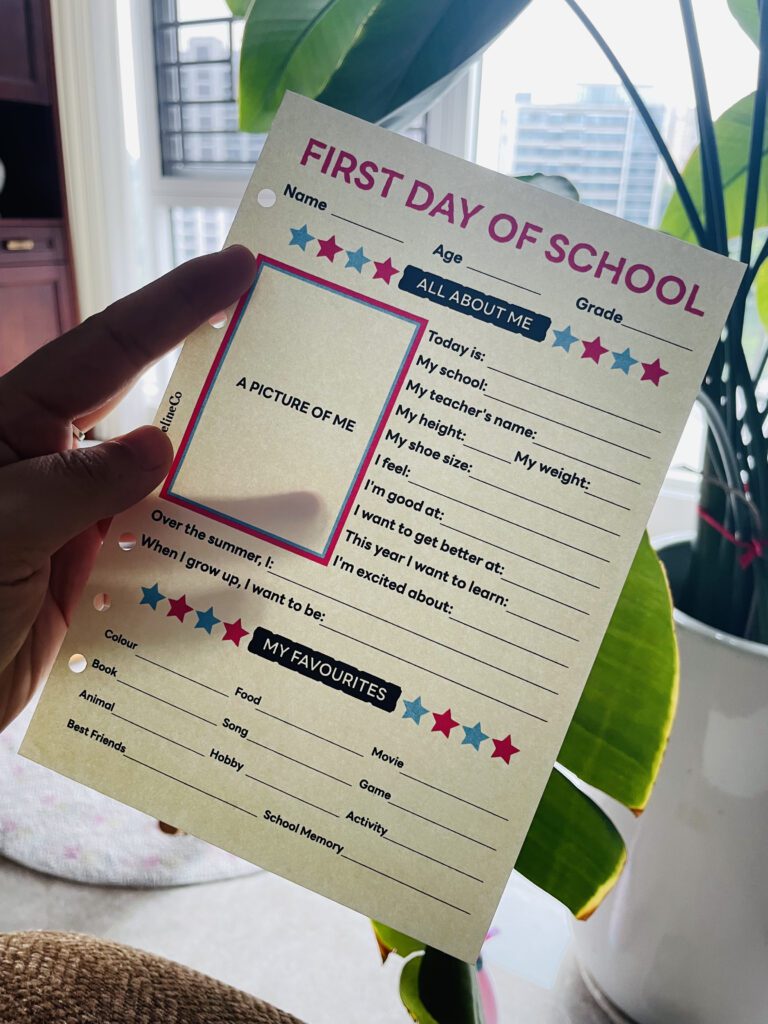
- Kids Birthday Interview: ten questions plus a favorites page, so you can record who your child is each year.
- Our Family Bucket List: 100 Things to Do With My Kids: space to plan outings like a mountain hike and check them off together.
- Seasonal Bucket List Bundle: a checklist for each season, including autumn, the best time for a hike.
You can browse more in the Family & Kids printables.
I can’t ship my local Snack Busy to you, but to bring a little of this typical weekend in China home, here are overseas versions of the kinds of snacks in my basket. I haven’t tested these exact brands, so please check reviews before you buy. If you buy through these links, SmilelineCo may earn a small commission at no extra cost to you.
- Spicy gluten snacks (latiao, 辣条), the classic Chinese spicy snack.
- Fruit jelly cups or konjac jelly assortment, the kind my mom and daughter love.
- Chinese-style flavored sunflower seeds, for the “chat and crack” tradition.
- Lightweight kids’ hiking daypack, for family hikes with lots of stairs.
- A good carbon steel wok, if you want to cook a big family meal like Mom does. This is the one I recommend.
FAQ
What is a typical weekend in China like?
It depends on the city and the family, so there is no single answer. A typical weekend in China for our family in Changsha is built around food, grandparents and a little time outdoors. This one meant snacks, a big home-cooked meal, a birthday and a hike, all in two days. For a very different weekend, see National Day in rural China.
What is Snack Busy in China?
Snack Busy (Ling Shi Hen Mang, 零食很忙) is a snack retail chain that began in Changsha, Hunan, in 2017. It has more than 30,000 contracted stores across more than 30 provinces, and its main model is a basket you fill yourself, with many items sold by weight.
What does a “Pang Dong Lai-inspired renovation” mean?
It refers to a supermarket renovation inspired by the retail practices of Pang Dong Lai, a well-known supermarket chain founded by Yu Donglai in Henan Province, China. It does not mean that an individual personally carried out the renovation. Several BBK supermarkets in Changsha have adopted this approach to improve their shopping experience.
How hard is the Mount Yuelu West Gate route?
It is stairs from the bottom to the top, so it is tiring, but it is quicker than the East Gate route. Wear comfortable shoes and bring water. Weekends are busy.
How does group-buying work in China?
You search for a restaurant on a local lifestyle app, buy a voucher or set meal, then show it to pay. It is usually cheaper than ordering directly. I explain it step by step in our $8.16 family dinner in China.
If you enjoyed this look at a typical weekend in China, watch the full video above and subscribe on Smile’s Life in China. See you at our next family weekend in China.
A little note from SmilelineCo:
Printables, graphics, and design elements on this site are created by Smile of SmilelineCo and are for personal use only. Please don’t alter them, resell them, or redistribute them, for free or for profit, without written permission from me. If you’d like to share something with a friend, family member, or your community, please share the link to this blog post or to the shop page instead of the files themselves. Thank you for supporting my shop. Wishing you a wonderful life. ❤️