30 Days of Mood Tracking: What I Learned About Me
I used to let one sentence ruin my whole day.
Someone would say something a little sharp, a little careless, maybe they didn’t even mean anything by it, and I’d feel my whole mood drop within seconds. Then that one moment would somehow leak into everything else. A good morning would turn into a heavy afternoon. A productive week would suddenly feel like a failure, all because of five seconds that happened on a Tuesday.
For a long time I thought that was just who I was. Sensitive. Anxious. Easily knocked off balance. But at some point I got tired of being at the mercy of other people’s tone of voice, and I decided I was going to do something about it, not by trying to become a different person overnight, but by actually looking at what was happening to me, day by day. That decision is what led me to 30 days of mood tracking, and it genuinely changed how I understand my own emotions.
Why I Chose a Full Month, Not 21 Days
You’ve probably heard the idea that it takes 21 days to build a habit. I’d heard it too, more times than I can count. But when I actually sat down to build a mood tracking habit, 21 days felt like it was rushing me. I wasn’t trying to prove I could stick to something for three weeks. I was trying to actually understand myself, and understanding takes a little longer than habit-forming does.
So I gave myself a full month. Not because the number 30 is magic, but because a month includes every kind of day, busy weeks, slow weekends, one bad meeting, one good phone call, a birthday, a deadline. Twenty-one days can quietly skip an entire category of your life. Thirty days rarely does.
How I Actually Tracked My Mood
I didn’t build a complicated system. Every day, I wrote down how I felt in a word or two, gave the day a rough rating, and, if something specific triggered a reaction, I noted what it was. That’s it. Some entries were one word: “tired,” “fine,” “irritated.” Some had a sentence next to them: “snapped at someone over nothing, felt bad about it after.”
I wasn’t trying to journal my whole life. I was trying to track your mood the way you’d track anything else you actually wanted to understand, consistently, honestly, without editing it to look better than it was. Looking back, that plain notebook page basically became my mood tracking journal, even though I never called it anything that formal at the time.
If you’re the type who forgets things by evening, it also helps to track your mood daily at the same rough time each day, mine was always right before bed, when the day was already over and there was nothing left to perform for anyone.
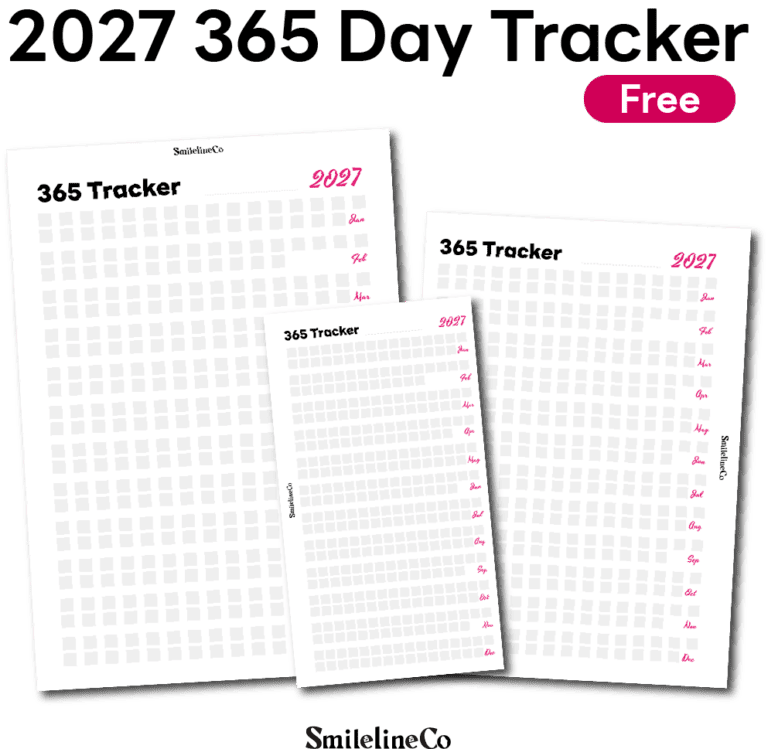
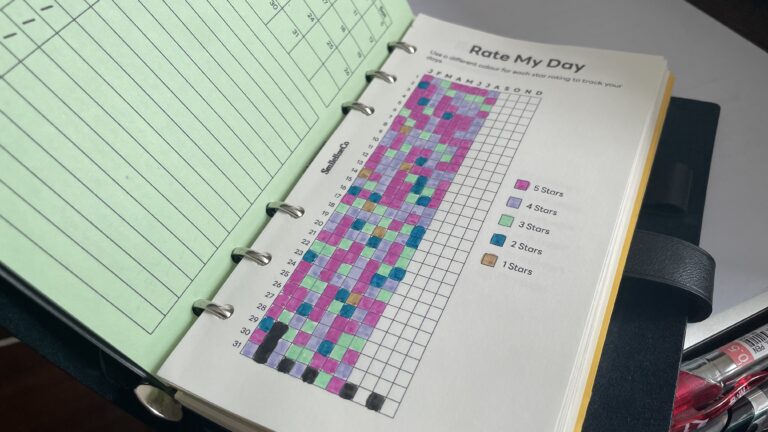
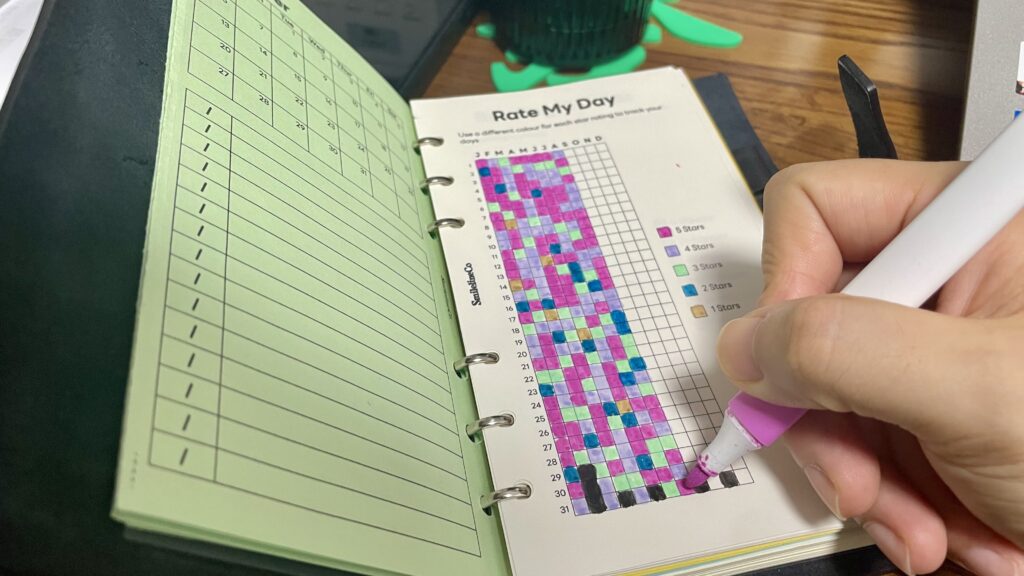
Here are two printable mood trackers I’ve used: “Mood Tracker” and “Rate My Day”
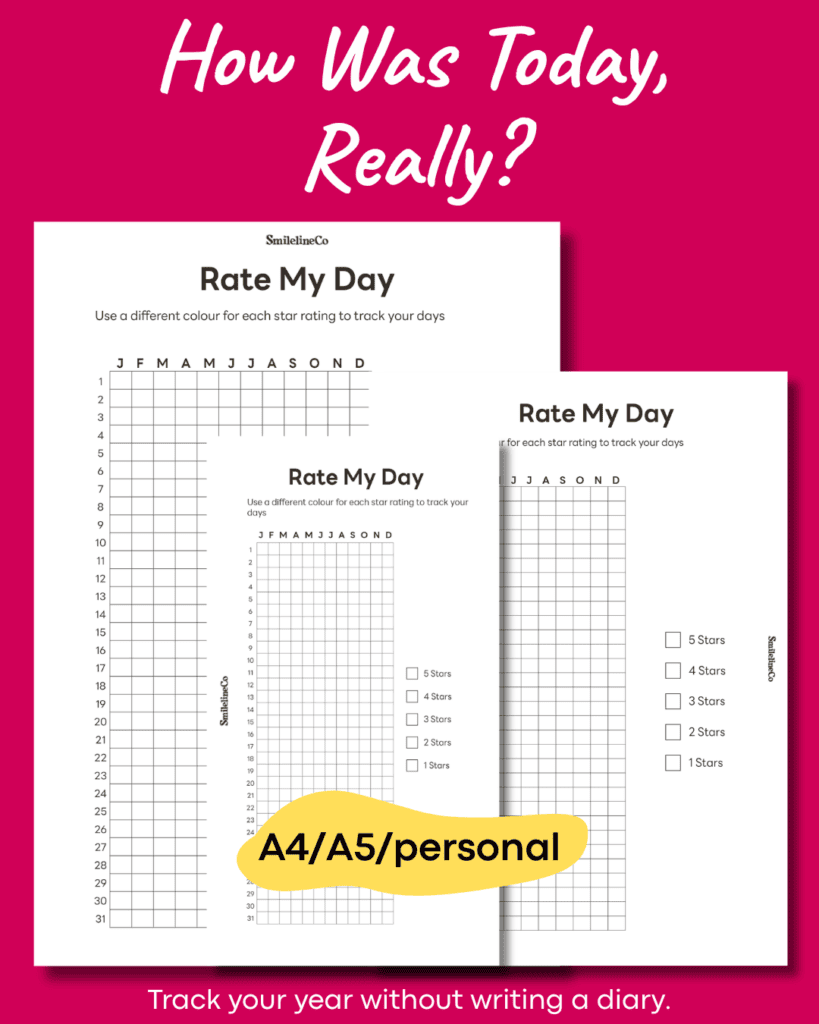
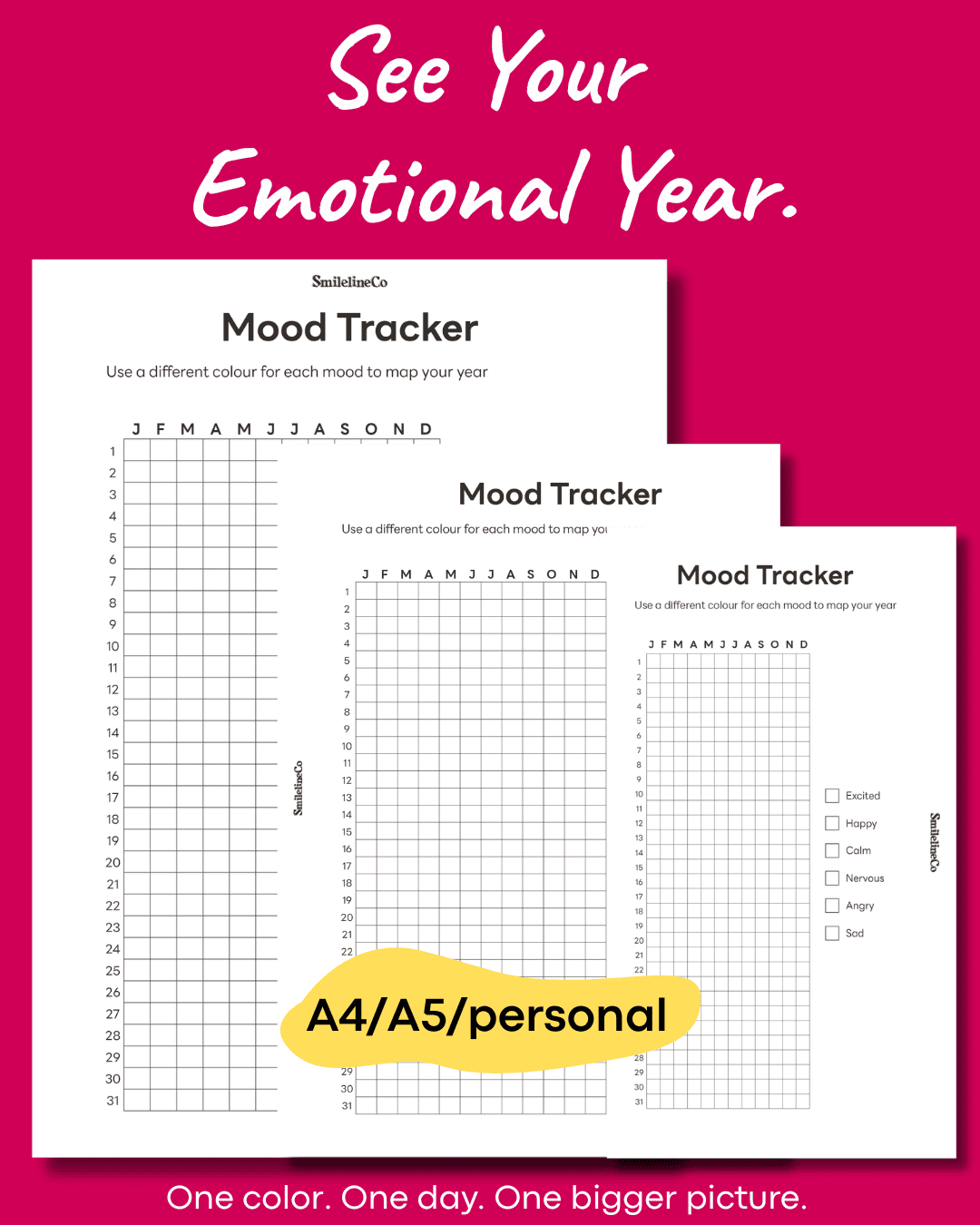
The Question I Learned to Ask
Here’s the part that actually mattered, and it took me a while to figure it out: I stopped trying to analyze each individual emotion in the moment. I wasn’t asking myself “why am I angry right now” every single time, because in the moment, that question rarely has a useful answer, you’re just angry, and thinking too hard about it while you’re still in it usually makes it worse.
Instead, at the end of each month, I’d look back at the whole page and ask one question: why did I spend this many days feeling angry or sad this month? Not “why did Tuesday happen” but “why does this keep happening, month after month?” That shift, from judging a single moment to noticing a full month of mood patterns, is where everything started to change for me.
Five Patterns I Found in My Own 30 Days of Mood Tracking
Once I had a full month of entries in front of me, a few emotional patterns became impossible to ignore.
Certain days always dragged me down. For me, it wasn’t Mondays, it was any day where I had back-to-back obligations with zero space in between. The tracker didn’t lie about that, even when my memory tried to tell me “it was just a rough week.”
Certain sentences from certain people hit harder than others. I noticed the same handful of situations reappearing next to my lowest ratings. Once I actually saw it in writing, again and again, I couldn’t pretend it was a coincidence anymore.
My sadness and my anger weren’t actually the same thing. I used to lump every bad day together as “I’m in a mood.” Looking at a month of notes, I could finally tell the difference between the days I was genuinely sad and the days I was just short-tempered and reactive, and they needed completely different responses from me.
Bad days almost never traveled alone. They clustered. Two or three difficult days in a row, usually connected by exhaustion or by not having any real time to myself. One hard day rarely predicted anything. Three in a row always did.
And most importantly — most of my month was actually fine. This one surprised me the most. When I was living inside a hard week, it felt like my whole life was hard. But laid out across 30 days of mood tracking, the difficult days were a real minority. I just remembered them louder than everything else.
The Two Small Habits That Actually Changed My Reactions
Tracking told me what was happening. It didn’t fix anything by itself, I still had to do something differently in the moment. So I brought back two small tricks I’d actually learned as a kid, and I used them on purpose, every single time I felt a reaction coming.
When I felt anger rising, I’d count to three before I said anything. Just three seconds. It sounds almost too small to matter, but three seconds is enough time to stop a sentence I would have regretted from ever leaving my mouth.
When I felt sadness creeping in, I’d try to empty my head for a second and make myself smile, even a completely fake one, before I said or did anything else. It felt silly the first few times. But a forced smile, even one I didn’t mean, beat reacting on autopilot every single time. It gave me just enough of a pause to respond instead of just reacting.
Neither habit erased the emotion. Both of them gave me a few seconds of space between feeling something and acting on it, and it turns out that a few seconds is often all you need.
What I Actually Want for You
I’m not a therapist. I’m not a mental health expert, and I’m not claiming this process is a substitute for real support if you need it. I’m just someone who got tired of letting other people’s throwaway comments run my entire day, and who found that a simple daily habit, tracking your mood, honestly, for a full month at a time — gave me back a little bit of control over how I move through my life.
What I want, genuinely, is for more people to feel capable of happiness. Not happiness as some permanent state you either have or don’t, but as a muscle you can actually build, the capacity to notice a small good moment and let it count, to catch yourself before a bad reaction, to realize that a hard week isn’t the same as a hard life. I think every person deserves to experience how colorful life can actually be, and I don’t think you need to be a different, calmer person to get there. You just need a little bit of honest data about yourself, and the willingness to look at it without judging what you find.
That’s really all 30 days of mood tracking ever was for me: not a fix, just a mirror, one I chose to keep for a month at a time, for as many months as it took.
Frequently Asked Questions
Do I need exactly 30 days, or can I track for less time?
You can start with any length of time, but I’d genuinely recommend a full month over something shorter like 21 days. A month is more likely to include the full range of your life, busy stretches, slow stretches, one hard day, one great one, so the patterns you find are more honest.
What if I notice I’m sad or angry almost every day?
That’s worth paying attention to, and it’s exactly the kind of thing a month of tracking can surface clearly. If your entries show persistent low mood most days, it’s worth talking to a professional rather than trying to work through it with a tracker alone, this kind of tracking is a self-awareness tool, not a substitute for support.
How do you tell the difference between anger and sadness in your notes?
For me, it came down to what the entry actually said, not just the rating. Anger entries usually mentioned a specific person or moment. Sadness entries were quieter, less about what happened, more about how flat or heavy the whole day felt.
Did counting to three or forcing a smile actually work every time?
No, not every time, and I don’t think that’s the point. Some days the reaction still won. But even a handful of moments where I paused instead of snapping added up over a month, and that’s really what I was tracking for.
Is this the same as therapy or professional emotional support?
No. This is a personal habit I built for myself, not a clinical method. If you’re dealing with persistent distress, please talk to a qualified professional, a month of mood tracking can support self-awareness, but it isn’t a replacement for real care.